What to know about late rubbish collections in Chiswick
Posted on 10/10/2026
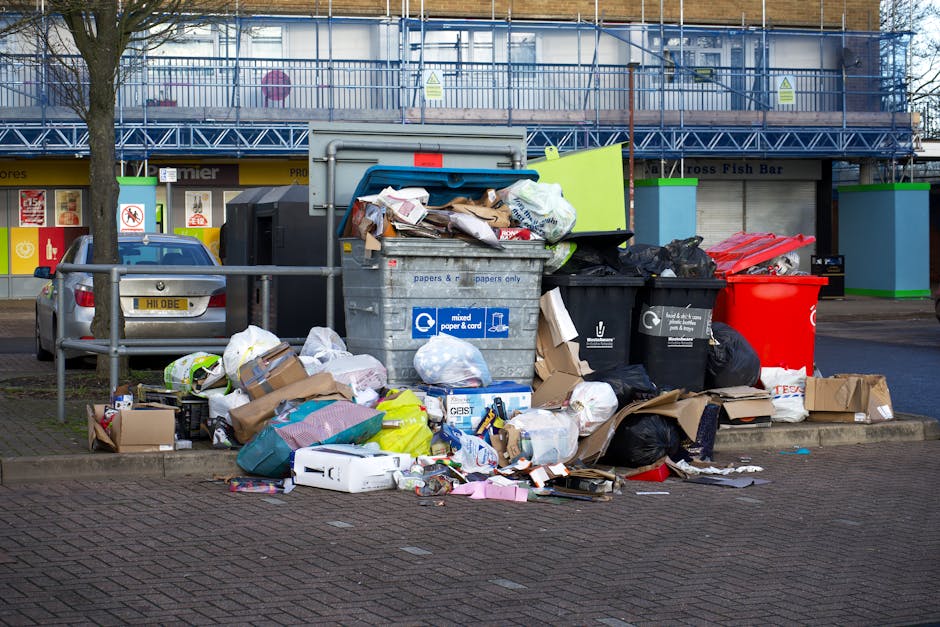
If you have ever put bins out in Chiswick, heard the lorry rumble past later than expected, and then found yourself wondering what on earth happens next, you are not alone. Late rubbish collections can be inconvenient, a bit messy, and mildly stressful, especially when the street starts to smell by late afternoon and the bags are still waiting at the kerb. This guide explains what to know about late rubbish collections in Chiswick, why delays happen, what you should do, and how to avoid small problems turning into bigger ones.
Whether you are a homeowner, a tenant, a landlord, or managing a busy business premises, understanding the process helps you stay calm and make better decisions. Truth be told, most rubbish delays are fixable once you know who to contact, what to check, and when to stop waiting and move to a backup plan.
Why late rubbish collections in Chiswick matter
Late collections are more than an annoyance. In a place like Chiswick, where homes, flats, shops, cafes, offices, and shared buildings sit close together, a delayed rubbish pickup can affect neighbours quickly. One missed collection might mean bags on pavements, extra odours, unwanted pests, and a bit of friction with the people next door. Not ideal on a weekday morning, especially if someone has just opened the windows.
For households, the issue is usually about comfort and hygiene. For businesses, it can affect presentation and customer experience. For landlords and managing agents, it can become a property management headache if waste begins to accumulate in communal areas. And if you are trying to keep a cleaner street outside your place, timing really matters. Late collection is not always a sign of a problem, but it does change what you should expect and how you should respond.
There is also a planning side to it. Knowing whether a delay is likely to be temporary, weather-related, or part of a wider service disruption helps you decide whether to wait, store waste safely, or arrange an alternative removal. That is where a practical understanding of local rubbish collection routines makes life easier.
Practical takeaway: if a collection is late, stay calm first, then check what kind of delay you are dealing with. A small delay and a missed collection are handled very differently, and the next step is not always the same.
How late rubbish collections in Chiswick usually work
Late rubbish collections can happen for several everyday reasons. A crew may be delayed by traffic, parked cars, access issues, a road closure, staff shortages, vehicle faults, or an especially busy round. Sometimes the schedule slips a little and the team still arrives later in the day. Other times the collection is pushed to the next working day or the next scheduled round. It is rarely dramatic, just inconvenient. London traffic, of course, has its own ideas.
In practical terms, you should think about rubbish collection in three stages:
- Planned collection window - the expected day and rough time slot, if one is given.
- Delay phase - the crew is running behind, but the collection may still happen later.
- Outcome phase - the waste is collected, rescheduled, or flagged for follow-up.
The exact process depends on whether you are dealing with a local authority-style collection, a private waste provider, or a one-off removal service. A commercial rubbish collection service may be able to offer clearer updates or more flexible timing than a standard scheduled round. That can matter a lot when you are managing office waste, post-refurbishment debris, or a property clean-up that simply cannot sit there till tomorrow.
If you are using a private provider, it is sensible to check whether they offer late-running updates, alternative slots, or same-day recovery. Services such as waste collection in Chiswick are often chosen because they provide more control when timing becomes tight. For larger jobs, you may also need something more specific, such as builders waste disposal in Chiswick or house clearance in Chiswick, depending on the type and volume of waste.
One small but important point: always separate a late collection from a genuinely missed one. A delay may still be resolved that day. A missed collection often needs a different follow-up, and waiting too long can turn a simple admin issue into an overfilled bin problem.
Key benefits and practical advantages
It may sound odd to talk about benefits in a topic like this, but there are some. When you know how late rubbish collections work, you can respond faster, reduce stress, and avoid unnecessary mess. That alone is worth something.
- Less disruption: You can decide quickly whether to wait, store waste securely, or arrange a backup collection.
- Better hygiene: Faster action helps prevent smells, spills, and pests.
- Smoother neighbour relations: Communal buildings and terraces can get tense when waste piles up.
- Improved property presentation: This matters for homeowners, landlords, guest-ready rentals, and businesses alike.
- More efficient problem-solving: You spend less time guessing and more time acting.
There is also a mental benefit. When you know the likely causes of a delay, you stop spiralling over every late van or missed pickup. Small thing, maybe, but useful. Nobody wants to waste half a morning refreshing the same page or standing at the window with that "are they coming or not?" look on their face.
For some readers, a late collection is the moment they realise their current waste setup is not quite working. If collections are frequently delayed, or you have more waste than the standard service can handle, a more tailored approach may make sense. That might include periodic bulk clearances, furniture disposal, or a better recycling plan. The company's recycling and sustainability page is a helpful place to think about reducing how much waste ends up waiting around in the first place.
Who this is for and when it makes sense
This topic matters to more people than you might think. Late rubbish collection affects everyday life across Chiswick, not just one type of property or one kind of street.
Homeowners and tenants
If you live in a flat, terrace, or family home, a late collection means bins may overflow, smell, or attract unwanted attention from birds and foxes. It is especially annoying if you have already sorted recycling carefully and now need to keep a bag indoors for another day. Not glamorous, but real life.
Landlords and managing agents
In shared buildings, one delayed collection can quickly become a communal issue. Residents may not know whether the waste should stay out, be brought back in, or be reported. Clear communication helps here more than people realise.
Business owners
Cafes, offices, shops, salons, and hospitality venues have a sharper need for predictability. Late collections can affect footfall, hygiene, and the professional feel of the premises. If waste regularly builds up behind the property or near a service entrance, it can become a practical and reputational issue.
People dealing with one-off clearances
If you are clearing out a flat, dealing with a renovation, or removing unwanted bulky items, timing is even more important. Waste that sits around after a clear-out tends to feel bigger and messier than it did when the job started. Funny how that happens.
It also makes sense for anyone comparing services, especially if you want a provider that can handle different kinds of waste at different speeds. For example, a garden job may need garden waste removal in Chiswick, while an office move may call for office clearance in Chiswick. Timing, waste type, and access all shape the best option.
Step-by-step guidance
If your rubbish collection is late, follow a calm, structured process. It saves time and helps you avoid the common little mistakes that turn a delay into a bigger nuisance.
- Check the collection day and expected timing. Confirm you have the right day, especially after bank holidays or schedule changes. It happens more often than people admit.
- Look for obvious access problems. Was the bin placed where crews can reach it? Are cars blocking the route? Is there a locked gate or a shared entrance issue?
- Check whether the waste was prepared correctly. Loose materials, wrong bag types, overfilled containers, or contamination can slow things down or cause refusal.
- Wait through a realistic collection window. In busy urban areas, later-than-usual arrivals are not unusual. A delay is not always a failure.
- Contact the provider if the window has clearly passed. Keep your notes simple: time, location, type of waste, and what was left out.
- Secure the waste if needed. If collection will not happen that day, store it safely and neatly where possible.
- Consider a backup solution. If the waste is urgent or bulky, arrange a private collection or a targeted clearance service.
A small practical detail here: take a quick photo if the waste was put out correctly and remains uncollected. It is not about being dramatic. It just helps if you need to explain the issue later.
If you are dealing with bulky items, check whether a dedicated service such as furniture disposal in Chiswick or bulky rubbish collection tips for Strand-on-the-Green would be a better fit than waiting on a general pickup. The right route can save you a day of frustration.
Expert tips for better results
From a practical point of view, late collections are easier to manage when you plan for the possibility instead of treating every pickup as guaranteed to the minute. That sounds obvious, but it is where many people trip up.
- Put waste out at the right time. Too early and it can be moved, knocked over, or contaminated. Too late and the crew may already have passed.
- Keep pathways clear. Side access, shared courtyards, and driveways often create avoidable delays. A tiny obstruction can slow down a whole round.
- Separate waste streams properly. Mixed materials can complicate collection and recovery.
- Plan around busy local patterns. School runs, commuter traffic, and parking pressure around Chiswick can affect timing more than people expect.
- Use a backup bag or bin lid strategy. If a collection is likely to slip, contain light waste securely so it does not blow about.
- Keep a simple waste log for recurring issues. If delays happen often, a short record helps you spot patterns.
In our experience, the people who cope best with late collections are the ones who build a bit of flexibility into their routine. Not a huge amount. Just enough. They know where to store an extra bag for a day, who to call, and whether they need a quicker solution for larger items. That calm approach pays off.
Another sensible move is to choose services with clear pricing and straightforward communication. If you are weighing up options, a page like pricing and quotes can help you understand how a private service may compare when speed matters more than waiting for the next round.
Common mistakes to avoid
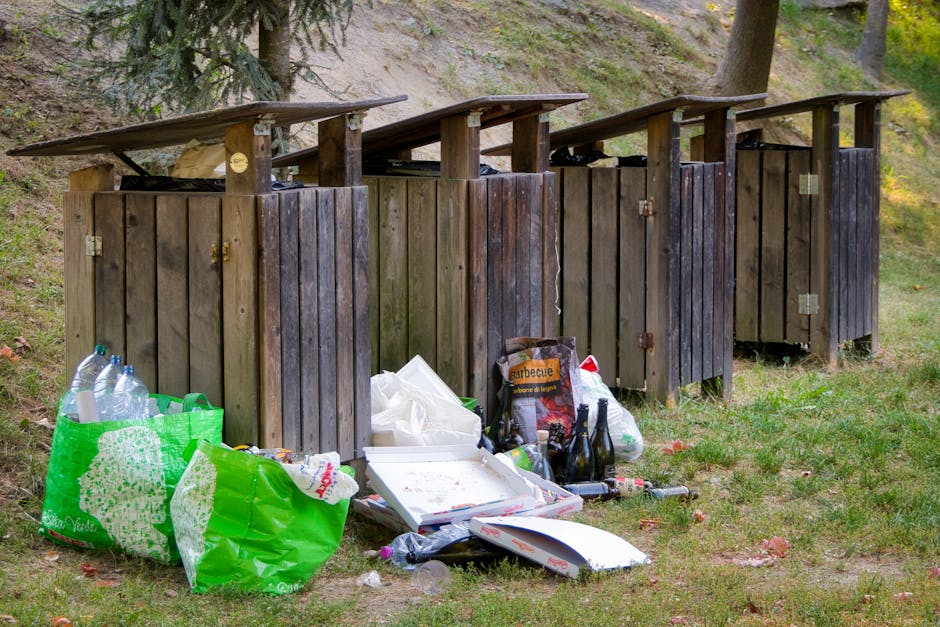
Late collections often become worse because of avoidable habits. Nothing shocking, just the usual human stuff.
- Leaving waste out indefinitely. If there is no sign of collection, store it safely rather than assuming someone will come by later.
- Overfilling bins. Crews may not be able to handle containers that are packed beyond a sensible level.
- Mixing the wrong materials. Contamination can lead to refusal or delay.
- Blocking access with vehicles or furniture. This is surprisingly common in narrow streets and shared lanes.
- Ignoring repeated delays. A one-off late collection is annoying; repeated problems may point to a system issue that needs action.
- Calling too early and too often without details. It is better to have the key facts ready so the conversation actually goes somewhere.
One more thing: do not assume every delay is the same. A wet, windy morning, a roadworks diversion, and a missed bin after a holiday week are three different problems. The response may be different each time. Sounds basic, but it saves time.
Tools, resources and recommendations
You do not need a complicated toolkit to handle late rubbish collections well. A few simple resources make a real difference.
| Tool or resource | Why it helps | Best used for |
|---|---|---|
| Phone camera | Creates a quick record of what was left out and when | Disputed or unclear collections |
| Calendar reminders | Helps you set out waste on time without guessing | Recurring collection days |
| Short notes log | Tracks patterns if delays happen repeatedly | Homes, flats, and business premises |
| Storage containers or bin lids | Keep waste contained if pickup is delayed | Food waste, light packaging, and mixed household waste |
| Alternative clearance service | Provides faster removal when waiting is not practical | Bulky items, renovations, office moves |
Useful service pages can also help you think through the problem more clearly. For example, a broader services overview is helpful if you are not sure whether you need a one-off collection or a more specific waste solution. And if you are dealing with mixed items after a property tidy-up, house clearance in Chiswick can be the cleaner, quicker answer than waiting on ordinary bin collections.
For readers who are comparing providers, it also helps to look at the practical side of the company, not just the headline promise. Things like safety approach, payment security, and how quotes are handled matter more than they first appear. A neat page like insurance and safety can give you confidence that the service is run with proper care.
Law, compliance, standards, and best practice
When rubbish collections run late, legal and compliance concerns are usually modest for ordinary household waste, but they become more important for businesses, landlords, and anyone arranging private disposal. The main principle is simple: waste should be handled responsibly, not dumped, hidden, or left in a way that creates nuisance or safety issues.
Best practice generally means:
- keeping waste secure and contained
- separating recyclables where possible
- using a legitimate carrier for removed waste
- avoiding obstruction of public pavements or shared access routes
- not leaving waste out for excessive periods if it has clearly not been collected
If you are a business or property manager, you should also make sure your waste process is documented enough to be repeatable. That does not mean pages of paperwork. Just enough structure so staff, cleaners, or residents know what to do if pickup is delayed. A simple routine beats confusion every time.
For anyone arranging a private removal, read the provider's terms carefully and check whether the quote, timing, and collection scope are clear. Pages such as terms and conditions and privacy policy may seem dull at first glance, but they tell you how the service is run and what to expect if timing changes. The same goes for practical pages on payment and security and about us, especially if you are deciding who to trust with a larger clearance.
If your delay is connected to recycling or segregation issues, it is worth reviewing the service's sustainability approach too. Not because it is trendy, but because better sorting often reduces the chance of waste lingering around waiting for a fix-up collection.
Options, methods, and comparison table
When rubbish collections are late, you usually have a few options. The right one depends on urgency, waste type, and how much storage space you have. Here is a simple comparison.
| Option | Best for | Pros | Limitations |
|---|---|---|---|
| Wait for the delayed collection | Minor timing slips and low-risk waste | No extra cost, simplest option | Can be messy if the delay stretches on |
| Store waste safely for a day | Homes and flats with secure storage | Reduces street clutter, keeps things tidy | Not ideal for bulky or smelly items |
| Book a private pickup | Urgent waste, business needs, bulky items | More control, often faster | Usually costs more than waiting |
| Arrange a specialist clearance | Large loads or mixed items after a move or refurb | Handles more waste in one go | Needs planning and access |
If you are choosing between waiting and booking a private collection, one simple question helps: how badly do you need this waste gone today? If the answer is "not desperately," waiting may be fine. If the answer is "this is already affecting customers, residents, or access," it is time to act.
For bigger loads, a direct route often saves more stress than trying to patch together several delayed pickups. That is where pages like furniture disposal and builders waste disposal become practical rather than just convenient.
Case study or real-world example
Picture a small cafe near a busy stretch in Chiswick on a damp Thursday morning. The normal waste collection does not arrive when expected. By midday, the back area is starting to feel crowded, and the owner can smell food waste through the service door. Nothing dramatic, but enough to make the team a bit tense.
Instead of leaving everything exposed, the manager checks the collection notes, confirms the bins were placed correctly, and then moves the sacks into a secure side area away from customers. A quick phone call establishes that the route has been delayed, not cancelled. At that point, they decide not to wait blindly; a backup removal is booked for the heavier waste that cannot sit around until the next day.
The useful part is not that everything went perfectly. It didn't. The useful part is that the manager kept control of the situation. No panic, no mess spreading onto the pavement, no awkward conversation with neighbours about smells by the bins. Just a sensible response.
A similar pattern shows up in home clearances too. A family clearing a spare room or garage might wait for a scheduled collection, only to realise that the load is too bulky or too mixed for a normal pickup. In that case, a targeted service is often the cleaner option. If you are in that position, office clearance and area-specific guides like the Chiswick House and Gunnersbury Park rubbish collection guide can help you think through access, timing, and waste type before the next delay happens.
Practical checklist
Use this checklist when a rubbish collection in Chiswick is late.
- Confirm the scheduled collection day and any changes around holidays.
- Check that waste was put out in the correct place and at the right time.
- Look for blocked access, locked gates, or parked cars.
- Review whether the waste was sorted and contained properly.
- Wait through a sensible collection window before assuming it is missed.
- Take a photo if you may need to follow up.
- Store the waste safely if pickup will not happen soon.
- Decide whether the delay is acceptable or whether you need a faster private solution.
- Use a specialist service for bulky, mixed, or urgent loads.
- Keep a note of recurring problems so you can spot patterns.
That list sounds basic, I know. But basic is often what works. Waste management tends to reward the people who keep things simple and consistent.

Conclusion
Late rubbish collections in Chiswick are frustrating, but they do not have to turn into a bigger issue. Once you understand why delays happen, how to respond, and when to switch to a more flexible waste solution, the whole thing becomes easier to handle. You protect your property, avoid unnecessary stress, and keep waste from becoming a nuisance for everyone else nearby.
The big lesson is this: do not guess. Check, note, decide, and then act. A calm, practical response nearly always works better than waiting and hoping. And if the waste is urgent, bulky, or recurring, a more direct collection service can save you time and a fair bit of bother.
Get a free quote today and see how much you can save.
Sometimes the best fix is simply the one that lets you get on with your day and enjoy a cleaner, quieter evening.
 Tipper Van - Waste Collection and Builders Waste Collection Prices in Chiswick, W4
 Luton Van - Waste Collection and Builders Waste Collection Prices in Chiswick, W4


